A jackpot network feed links individual pokies across a site so that a single progressive prize pool grows from many players at once. From a Brisbane newsroom bench, that architecture looks less like a novelty and more like a plumbing decision: who contributes, who is eligible, and how often the feed refreshes. Australians collectively lose over $20 billion to gambling each year, much of it on pokies, so the mechanics behind a shared prize pool deserve a clear-eyed look. This review keeps jackpot network feed at the centre, with a focus on how the feed behaves in day-to-day play and where it suits different player habits.
What a Jackpot Network Feed Actually Does
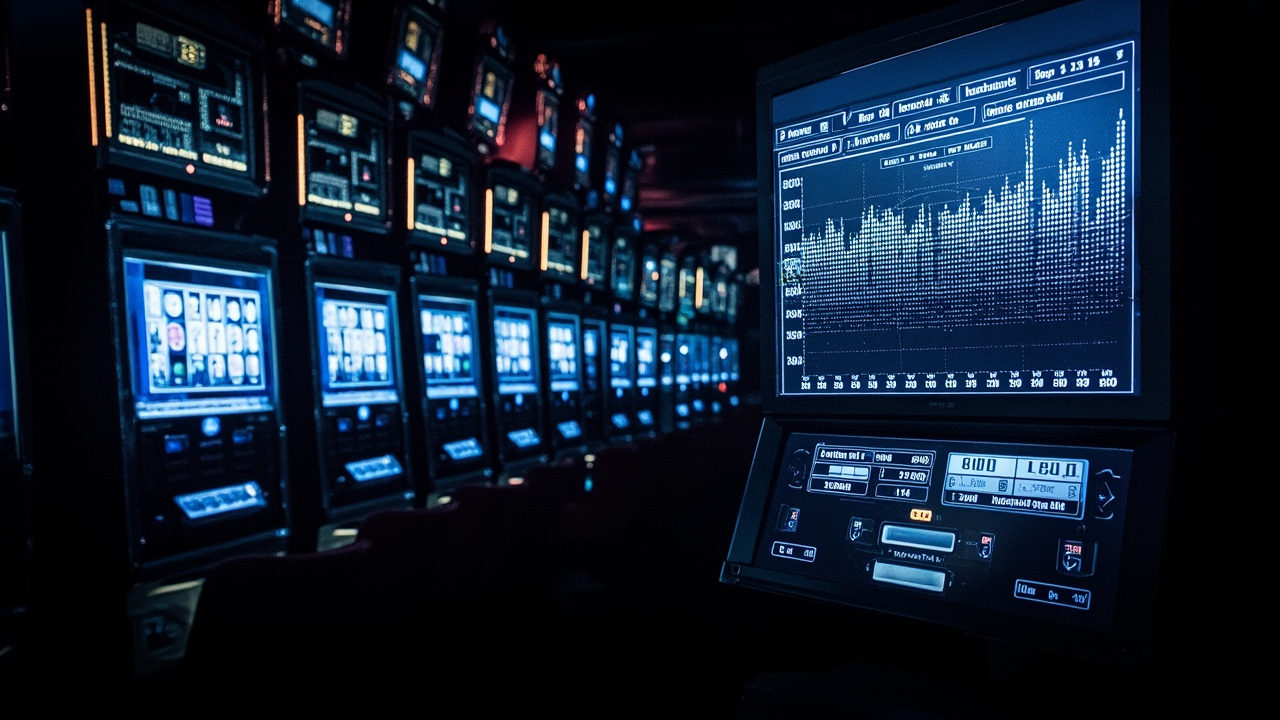
A jackpot network feed is the shared pipeline that carries contributions from multiple games into one progressive prize, rather than isolating each machine on its own curve. In practical terms, the feed decides whether a spin on one game nudges the same pool as a spin on another, and that design choice shapes everything from prize growth to how often the network feels alive. The distinguishing traits are straightforward: a pooled prize that rises from broad participation, a visible contribution rate so players can see how much of each wager feeds the network, and eligibility rules that separate local progressives from wide-area pools. Everyday usability depends on whether the feed is presented plainly, with clear indicators of current value and the next milestone, rather than buried behind a wall of marketing copy. For a site built around connected pokies, the fit is strongest when the feed is treated as a transparent system, not a mystery box.
Where the Feed Fits Different Player Habits
The same network feed lands differently depending on how a player approaches sessions. A casual player who drops in for a short spin during an arvo usually wants a pool that is visible, growing at a pace that feels realistic, and easy to understand without reading a manual. That player benefits most when the feed shows current value, contribution rate, and the next prize tier in one glance, so the experience stays readable on a phone screen. A regular session player tends to care more about consistency: how steadily the pool climbs, whether the network connects enough titles to feel active, and whether the pacing matches a longer evening rather than a single burst. A prize-focused player is the one most likely to track the feed itself, watching the curve and timing visits around the pool’s movement, though no pattern guarantees a win and the network’s behaviour stays governed by its own rules. Across all three, the practical fit comes down to whether the feed is presented as a clear system with sensible limits, not as a promise dressed up as a feature.
A Quick Conversation on Feed Behaviour
I caught up with a Melbourne-based industry analyst over coffee to ask how a network feed changes the feel of a session, and the answer was less about glamour than about pacing. “When you watch a shared pool climb, you are really watching many small contributions stack up,” they said, “and the useful question is whether the feed makes that stacking legible or just loud.” That point matters for non-technical readers, because a feed that simply flashes numbers can feel exciting without being informative, while one that shows contribution rate and eligibility gives the same excitement with more context. The analyst also noted that a network can feel busier than it really is if the display emphasises the headline prize without showing how many games are actually feeding it. In other words, the best-looking feed is not always the most useful one; the one that explains itself in plain language tends to hold up better when a player is deciding where to spend an evening.
Mobile Play, Payments and Everyday Use
On mobile, a jackpot network feed needs to stay readable without becoming a clutter problem, especially when the same screen is also showing bet controls, balance, and spin status. A well-built feed keeps the current pool, contribution rate, and next milestone in a compact line or two, so the player can check the network without losing the plot of the game they are actually playing. Payment and currency handling should match that same plain-spoken approach: clear denominations, a visible balance, and no surprises when moving between everyday play and the network display. Registration needs to be straightforward enough that a new player can understand eligibility quickly, while support should be reachable when a feed display looks odd or a prize tier seems to update in a way that does not match the on-screen description. Loyalty and repeat-play features fit best when they reinforce the network’s transparency rather than distract from it, because a shared progressive pool already asks players to follow a moving target. Olgr
If you want a concrete comparison point from the Brisbane desk, a feed that shows contribution rate and eligibility up front feels closer to the kind of product information readers expect from a mobile gadget review: the specs are visible before you commit, not after. That same judgement call applies here, because the network is only as useful as its readability when you are holding a phone in one hand and trying to make a quick call in the middle of a session.
What to Check Before You Play
- Confirm whether the network feed covers one site’s pokies or a wider shared pool, because that changes how quickly the prize grows.
- Check the contribution rate shown for the games you are actually playing, so you know how much of each wager feeds the network.
- Read the eligibility rules for the progressive prize, including any local-versus-wide distinctions that affect who can win. gates-of-olympus-slot-au.com
- Look for a current-value display that updates without hiding the next milestone or the basic terms behind marketing language.
- Make sure support and account details are easy to reach if the feed display looks inconsistent during a session.
A jackpot network feed is best treated as a system to understand, not a hook to chase. When the pool’s behaviour is presented clearly, the network can fit a range of player habits without pretending to do more than it does. When it is not, the same feature can feel louder than it is useful. For an Australian player weighing a connected pokies experience, the practical move is to read the feed the way you would read any other product detail: check what feeds the prize, who is eligible, and how the display behaves before you decide it deserves your time.